

Ten Ways Medicare Eases the Financial Burden of Hospice
Medicare's hospice benefit significantly reduces the financial burden for beneficiaries with a terminal illness, focusing on comfort and quality of life. These provisions ensure that financial concerns do not impede access to comprehensive care and support during end-of-life.
Read More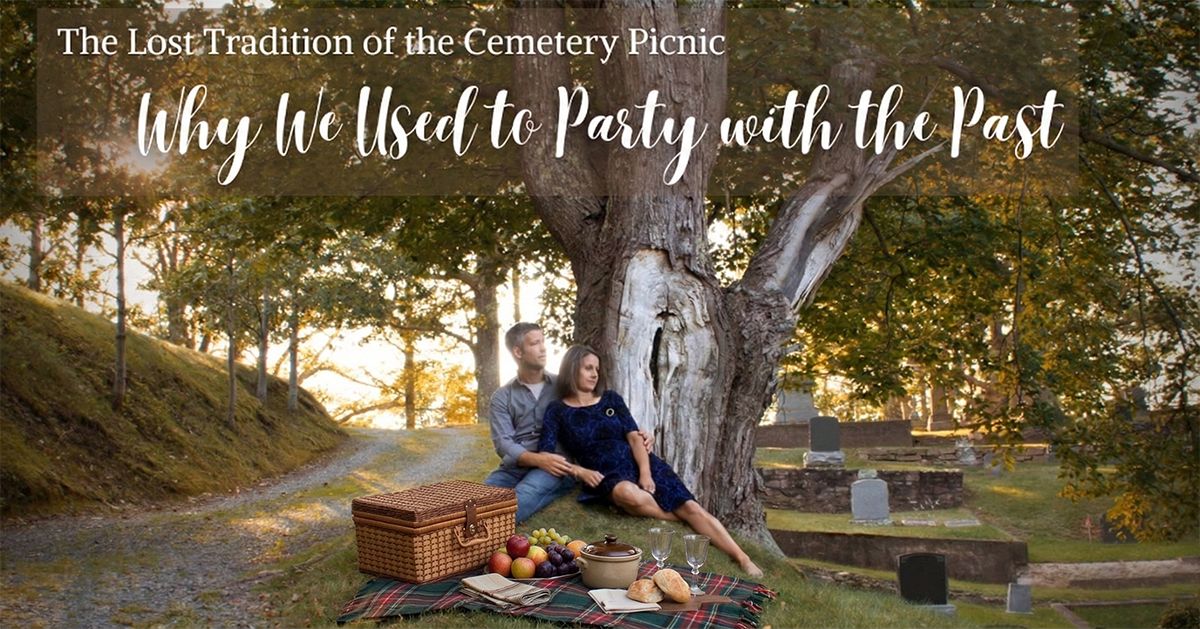
The Lost Tradition of the Cemetery Picnic: Why We Used to Party with the Past
The tradition of the cemetery picnic emerged with the Rural Cemetery Movement, which created beautiful "garden cemeteries" like Mount Auburn and Green-Wood—the first true public green spaces. It was a way to maintain family bonds by sharing a meal in the presence of the deceased and enjoying fresh air before public parks like Central Park existed. The practice faded in the 20th century as public parks became common and cultural views on death grew more private, leading to picnic bans. Today, many historic cemeteries are reclaiming their role as community spaces through activities like guided history walks and quiet recreation.
Read More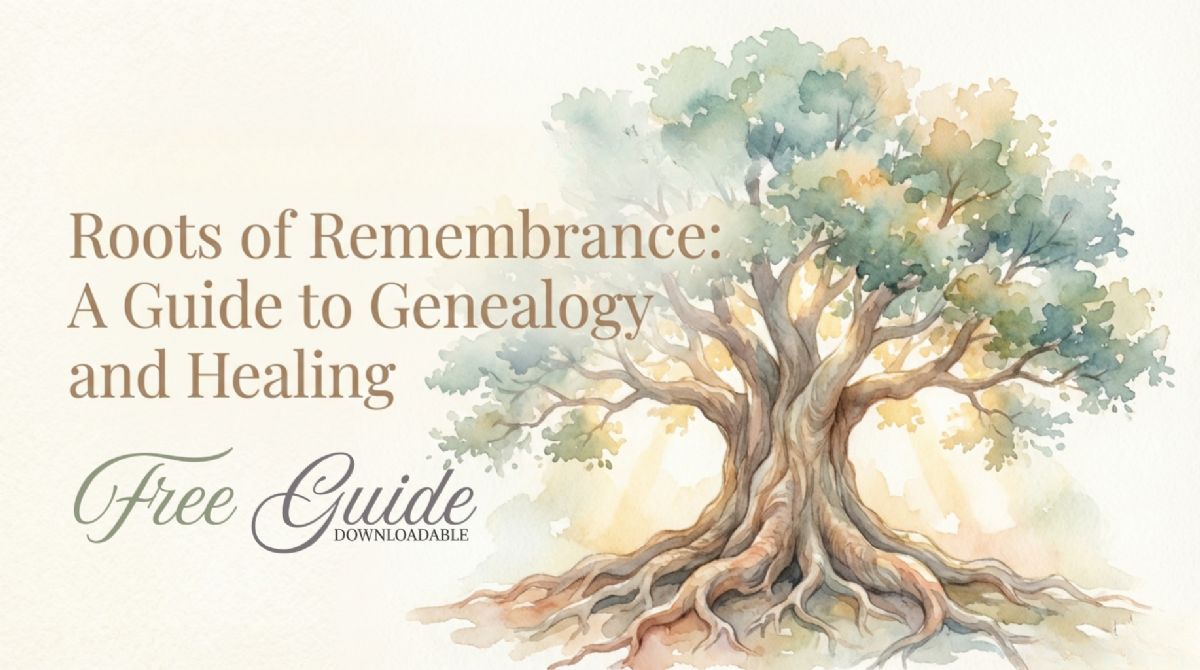
Roots of Remembrance
Roots of Remembrance: A Guide to Genealogy and Healing, advocates for the study of family history (genealogy) as a psychological anchor during bereavement. It explains that creating "narrative continuity"—seeing a life as part of an ongoing story—can aid the healing process.
Read More

Understanding and Supporting Veterans with PTSD
It is important to acknowledge the "invisible wounds" of veterans, specifically Post-Traumatic Stress Disorder (PTSD). Seeking help is a sign of strength and veterans with PTSD can heal and live fulfilling lives with the right support.
Read More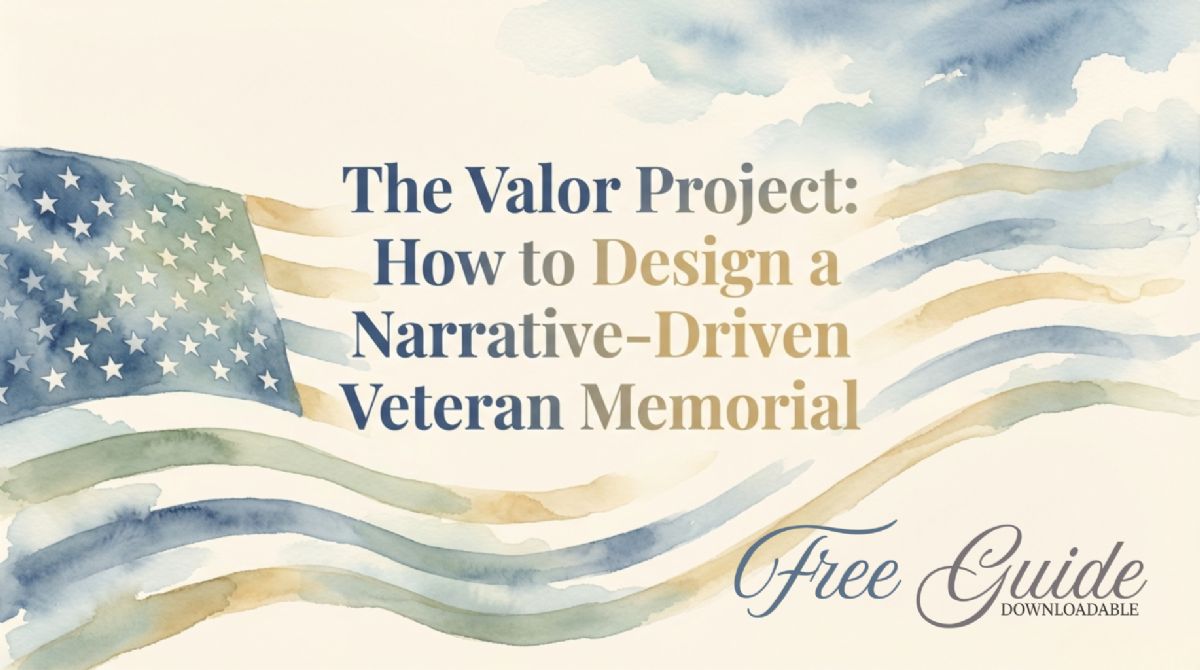
The Valor Project
Creating a true tribute requires bridging the gap between a formal military service record and the individual's vibrant life story. By focusing on these human elements, you ensure their legacy is not just a record of service, but a living story of a life fully lived. To learn more about creating a meaningful tribute, download our free guide
Read More
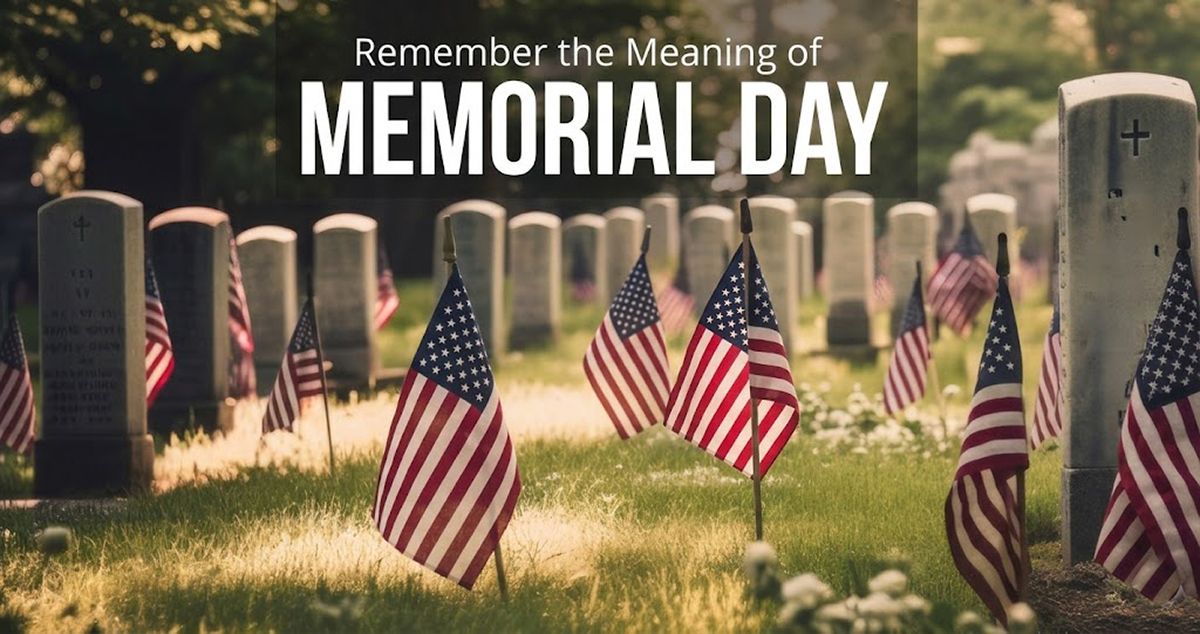
More Than a Day Off: Honoring the Spirit of Memorial Day
Memorial Day is more than just a long weekend and the start of summer; it is a day dedicated to honoring the U.S. Armed Forces members who made the ultimate sacrifice.
Read More
The Compassionate Caregiver: Understanding the Modern Funeral Director
The modern funeral director is a compassionate caregiver and highly trained professional who guides families through the process of losing a loved one. Their multifaceted role blends emotional support, such as offering grief resources and helping design personalized services, with practical expertise in managing complex logistics.
Read More
The Modern Memorial: Creative Ways to Be Remembered
A modern memorial focuses on personalization and impact, ranging from lively celebrations and eco-friendly choices to digital legacies or experience-based events. The key is to design a farewell that aligns with one's life and values, making the final gesture a meaningful, authentic testament to a life well-lived.
Read More
TheSoundtrack of Healing
Music serves as a powerful tool for navigating the journey of grief, acting as an anchor, release valve, and storyteller. Music activates nearly all parts of the brain simultaneously, including the memory and emotional centers creating a "reminiscence bump" that preserves the "feeling" of a person.
Read More
Finding Peace During Your First Mother's Day Without Her
The first Mother's Day without her is a difficult hurdle and feelings of dread or sadness are valid and a testament to the love carried for the lost mother. Have patience, grief is not a linear path, and that the day is only 24 hours.
Read More
Cremation is Only the Beginning
Choosing cremation is not an end to the memorial process but a flexible beginning that grants the "gift of time" for planning a personalized farewell. Ultimately, the best service is the one that authentically reflects the person being honored.
Read More
Healthy Living During the Grief Journey
During the grief journey self-care—including rest, good nutrition, and exercise—while navigating the challenging and emotionally/physically demanding process of grief is critical.Nourish the body with balanced meals and healthy snacks, and engage in gentle movement like walking or yoga to reduce stress. Self-care is an essential, not selfish, part of healing, building resilience, and finding strength during the grief journey.
Read More
Wanderlust Forever: The Global Scattering Guide
"Wanderlust Forever: The Global Scattering Guide," provides essential guidance for those planning to travel with and scatter a loved one's cremated remains.
Read More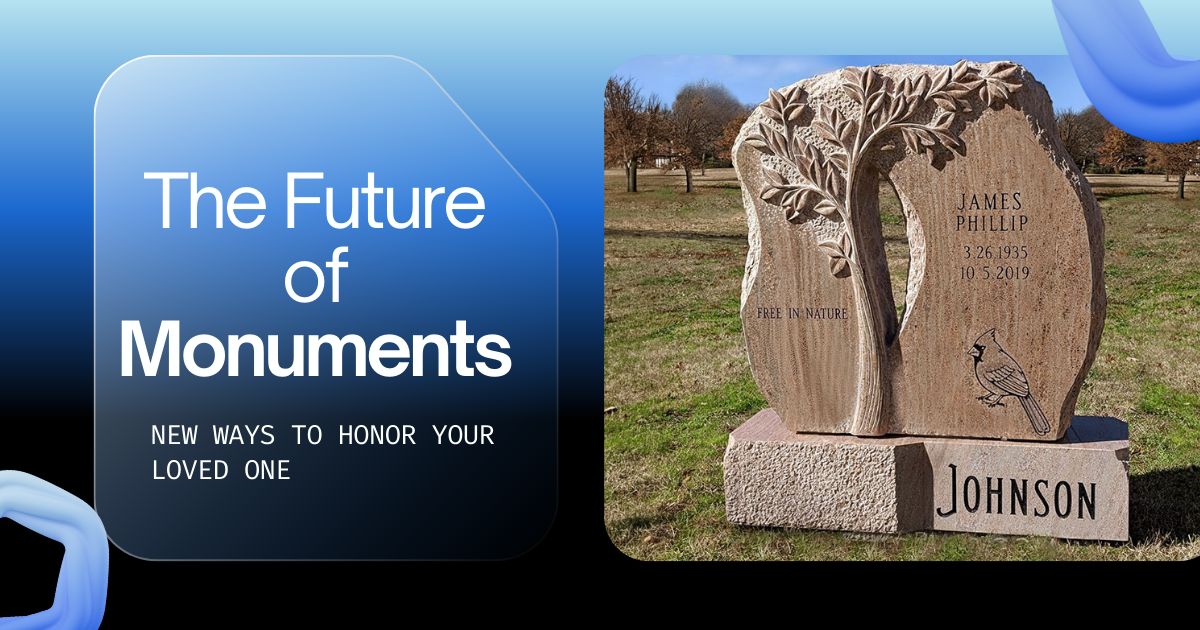
The Future of Monuments: New Ways to Honor Your Loved One
The future of monuments involves finding a deeply personal, meaningful, and comforting way to celebrate a life and legacy. The evolving landscape of memorials moves beyond traditional designs to create unique tributes that reflect the loved one's passions and personality
Read More
Planning an Eco-Friendly Funeral: A Step-by-Step Guide
Planning an eco-friendly funeral is a way to leave a positive legacy and create an environmentally responsible farewell.
Read More
What Exactly is a Green Burial
Green burial is chosen for environmental responsibility, natural return to the earth, conservation, simplicity, affordability, and personal connection.
Read More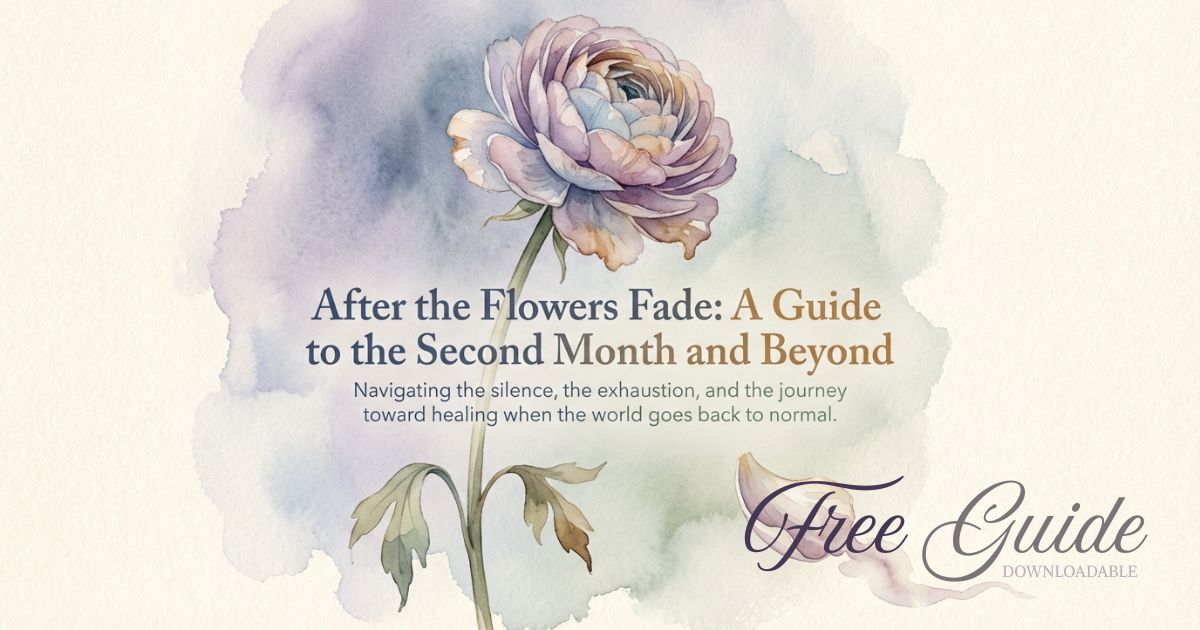
After the Flowers Fade: Navigating the Second Month of Grief
The "Second Month" of grief—the period after the initial support from the funeral and visitors has dropped off. Profound exhaustion (the "Grief Crash") and difficulty concentrating ("Grief Brain") are natural, biological transitions as the body's stress hormones diminish and the brain works to "rewire" its internal map to a new reality without the loved one.
Read More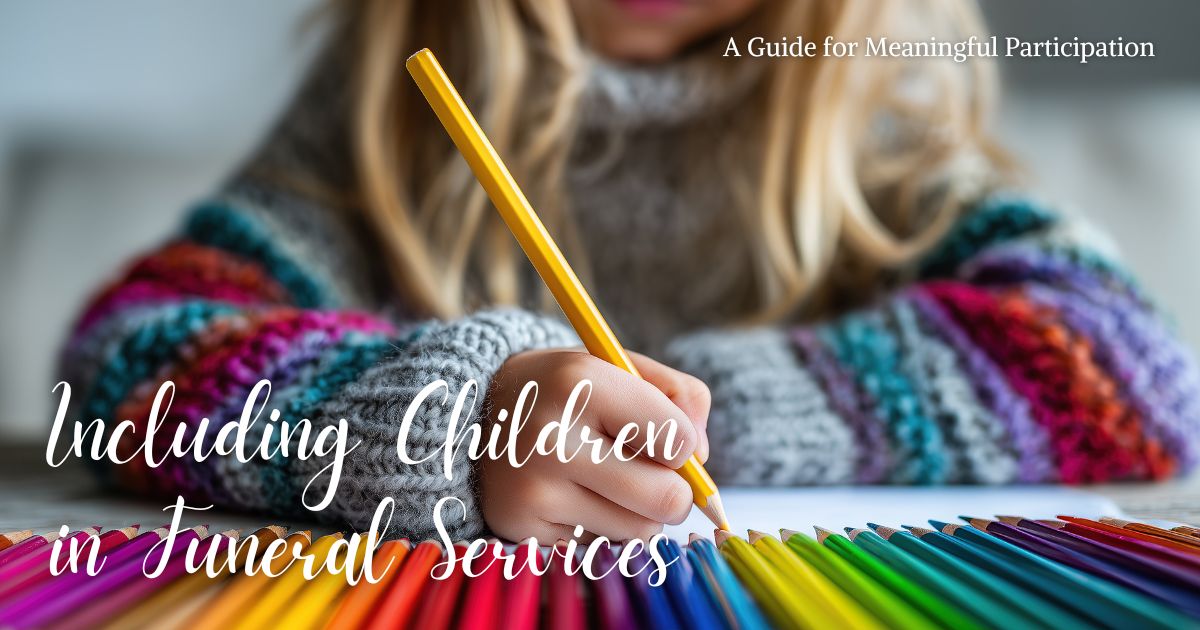
Including Children in Funeral Services: A Guide for Meaningful Participation
Including children in funeral services, with age-appropriate involvement, is beneficial for their emotional well-being, helping them process grief, understand death and loss, and strengthen family bonds.
Read More
Understanding VFW Benefits: Navigating the Support Provided After a Veteran's Passing
This blog post and podcast explains the funeral benefits provided by the Veterans of Foreign Wars (VFW).
Read More
The Greatest Gift You’ll Ever Give: Why We Created
"The Peace of Mind Portfolio: Answering the Top 10 End-of-Life Paperwork Questions," discusses that the most valuable legacy is clarity for survivors. It highlights the emotional and administrative burden of making over 70 decisions in the first 48 hours after a loved one passes. The guide goes beyond a standard Will, emphasizing that documents like beneficiary designations can override a Will.
Read More