
Ten Ways Medicare Eases the Financial Burden of Hospice
Medicare's hospice benefit significantly reduces the financial burden for beneficiaries with a terminal illness, focusing on comfort and quality of life. These provisions ensure that financial concerns do not impede access to comprehensive care and support during end-of-life.
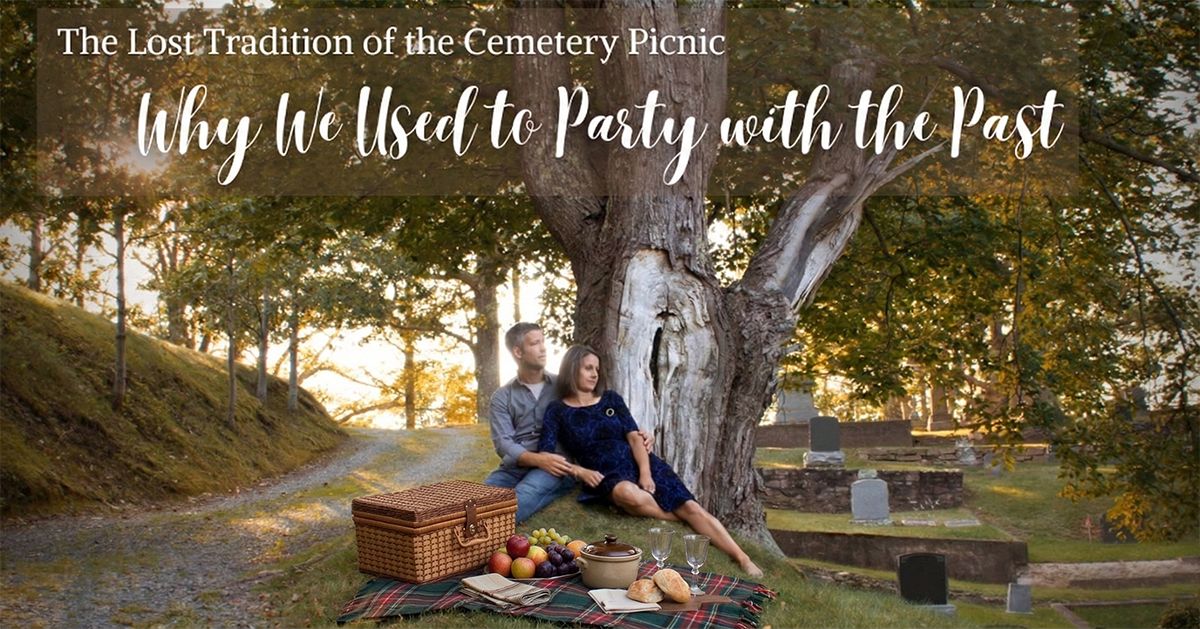
The Lost Tradition of the Cemetery Picnic: Why We Used to Party with the Past
The tradition of the cemetery picnic emerged with the Rural Cemetery Movement, which created beautiful "garden cemeteries" like Mount Auburn and Green-Wood—the first true public green spaces. It was a way to maintain family bonds by sharing a meal in the presence of the deceased and enjoying fresh air before public parks like Central Park existed. The practice faded in the 20th century as public parks became common and cultural views on death grew more private, leading to picnic bans. Today, many historic cemeteries are reclaiming their role as community spaces through activities like guided history walks and quiet recreation.
Roots of Remembrance
Roots of Remembrance: A Guide to Genealogy and Healing, advocates for the study of family history (genealogy) as a psychological anchor during bereavement. It explains that creating "narrative continuity"—seeing a life as part of an ongoing story—can aid the healing process.


Understanding and Supporting Veterans with PTSD
It is important to acknowledge the "invisible wounds" of veterans, specifically Post-Traumatic Stress Disorder (PTSD). Seeking help is a sign of strength and veterans with PTSD can heal and live fulfilling lives with the right support.