
The Art of Showing Up: Offering Authentic Condolences
Offering authentic condolences means moving beyond clichés like "I'm sorry for your loss" and speaking from the heart. Seek alternatives that emphasize love, support, and the enduring memory of the deceased. The most meaningful condolences often involve simplicity, presence, and practical assistance. Active listening and genuine empathy—allowing the grieving individual to express emotions without judgment or trying to "fix" their pain—are essential for providing comfort and support.

Facing the Firsts Without Them
The "firsts" that follow the loss of a loved one, which can trigger a resurgence of grief. These milestones can range from the first night alone, family holidays with an empty chair, to seemingly ordinary, everyday moments like cooking a favorite meal for one or hearing a specific song.
.png)
Honouring a Life Without Financial Burden: A Compassionate Guide to Funeral Costs
"Honouring a Life Without Financial Burden: A Compassionate Guide to Funeral Costs," provides guidance for planning a meaningful and affordable memorial service while navigating the funeral industry.
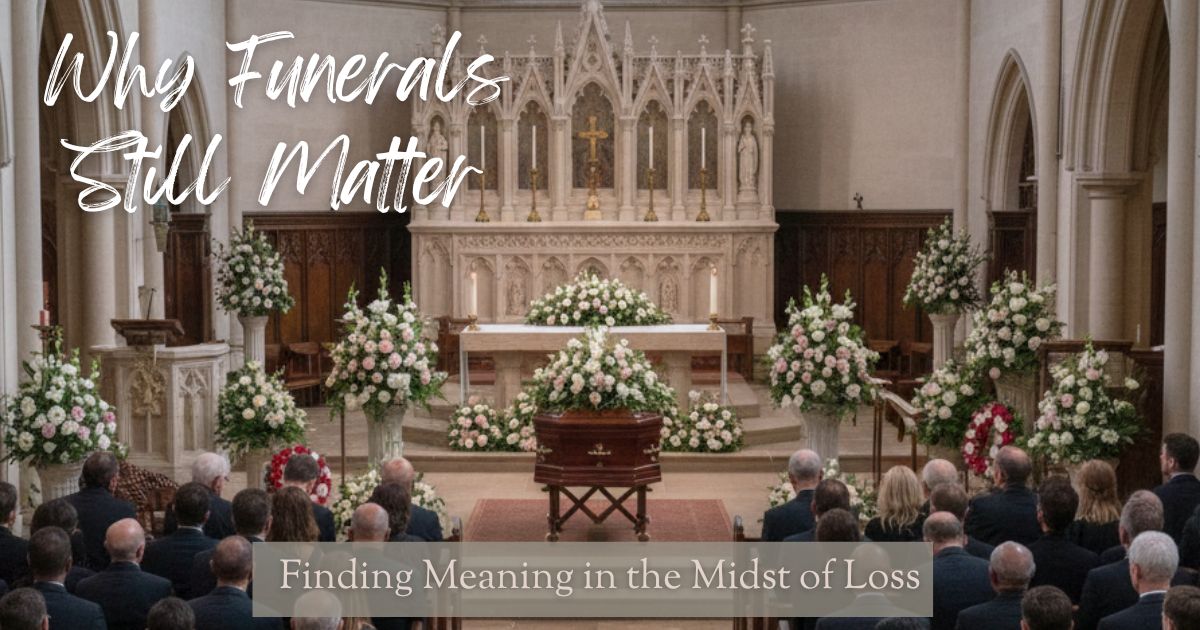
Why Funerals Still Matter: Finding Meaning in the Midst of Loss
Funerals offer a necessary pause to acknowledge the loss, share stories and memories with loved ones, and begin to process grief.
They provide a tangible way to honour a life lived, recognizing the person's impact and allowing friends and family to say a meaningful goodbye.
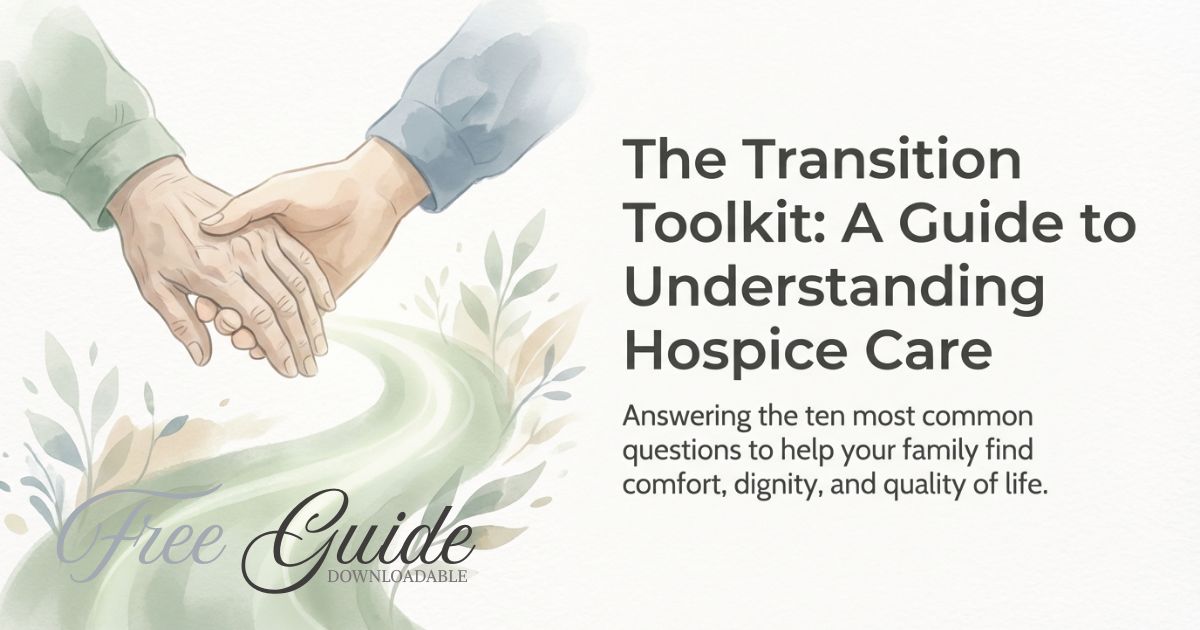
Navigating the Transition: Your Free Guide to Hospice Care
Choosing hospice care signifies a shift from curative treatment to prioritizing comfort, dignity, and quality of life for those in the final stages of a terminal illness (six months or less life expectancy). While Palliative Care can be received at any stage, Hospice Care is a specific type of palliative care that focuses entirely on symptom relief.