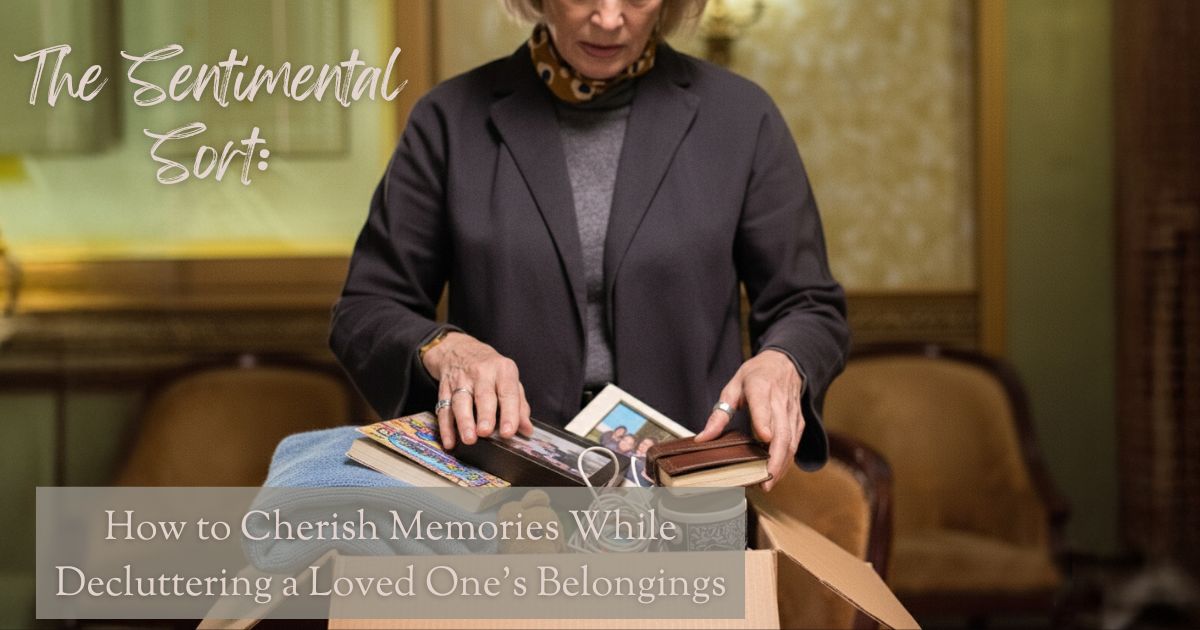
Decluttering after a loved one's passing is more than just getting rid of stuff. It's a deeply emotional process, a journey through memories, and a chance to honor their life. It's okay to feel overwhelmed. This isn't about erasing their presence, but about finding a way to keep their spirit alive while creating space for your own healing.
Don't try to tackle everything at once. Begin with a less emotionally charged area, like a linen closet or a storage room. This allows you to ease into the process and build momentum. As you sort, create a "memory box." This is where you'll place items that hold significant sentimental value but that you don't necessarily need to keep. Think photos, letters, small mementos, and anything that sparks a cherished memory.
Invite a trusted friend or family member to join you. Their presence can provide emotional support and a different perspective. They might even share stories you didn't know, adding another layer of meaning to the items. Before discarding larger items you're unsure about, take a photo. This allows you to preserve the memory without keeping the physical object. Create a digital album or scrapbook as a lasting tribute.
Some suggest waiting a year before making major decisions. This gives you time to process your grief. However, be kind to yourself. There's no strict timeline. If you're ready sooner, that's okay. If it takes longer, that's okay too. Consider donating usable items to charities that align with your loved one's values or interests. This can give a sense of purpose to the decluttering process, knowing their belongings will help others. Here are some ideas for where to donate:
- Local shelters or community centers
- Organizations supporting causes your loved one cared about
- Thrift stores benefiting specific charities
Repurpose some items into something new. Turn old shirts into a quilt, use vintage fabric to create a memory bear, or frame a favorite recipe. This allows you to keep a piece of them close in a tangible way. It's okay to cry, laugh, or feel a mix of emotions as you go through their belongings. Allow yourself to feel these feelings without judgment. This is part of the healing process.
Try to focus on the happy memories associated with each item, rather than dwelling on the loss. This shift in perspective can make the process less painful and more meaningful. A helpful way to approach this is to consider each item using these guidelines:
- Keep: Items that hold deep sentimental value, evoke strong positive memories, or are irreplaceable. These are the treasures you want to cherish and pass down.
- Donate: Items that are in good condition, usable, and that your loved one would likely want to help others. Consider donating to charities that align with their values.
- Discard: Items that are broken, damaged, or no longer serve a purpose. Be honest with yourself about whether you will really use or need the item. It's okay to let go.
Remember, this isn't just about getting rid of stuff. It's about honoring your loved one's legacy and keeping their spirit alive in your heart. By carefully curating what you keep and how you remember them, you can create a lasting tribute to their life.