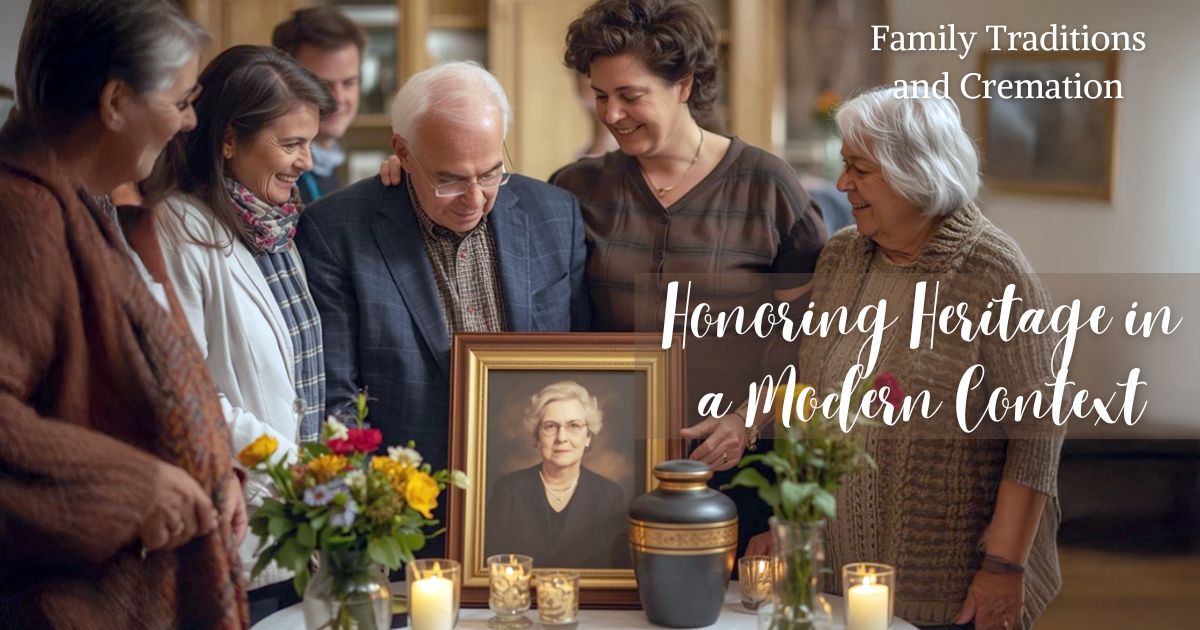
In an era of evolving customs and diverse personal choices, families are increasingly blending long-held traditions with contemporary practices, especially when it comes to end-of-life arrangements. Cremation, once less common in certain cultures, is now widely accepted and even preferred by many. This guide explores how families can thoughtfully integrate cremation into their existing heritage, ensuring that a modern choice still profoundly honors ancestral customs and individual legacies.
While the methods of remembrance may adapt, the essence of honoring a loved one remains constant. Cremation offers a unique flexibility that can facilitate innovative ways to uphold family traditions, allowing for a personalized tribute that resonates deeply with cultural values and personal beliefs.
Weaving Tradition into Cremation Services
When considering cremation, families have numerous opportunities to infuse the process with meaningful traditions, transforming a modern practice into a deeply personal homage. Understanding these avenues can help bridge the gap between past and present, creating a ceremony that respects both.
Core Traditional Elements: Many cultural and religious traditions revolve around specific rituals, prayers, or gatherings. These can often be seamlessly integrated into cremation services.
- A viewing or visitation prior to cremation can be arranged, allowing family and friends to say their final goodbyes in a traditional manner.
- Specific prayers, blessings, or readings that are customary to the family's heritage can be recited during a memorial service or gathering.
- The presence of religious or cultural leaders can provide guidance and comfort, ensuring that traditional protocols are observed.
Commemorative Practices: The disposition of ashes offers unique avenues for expressing heritage and creating lasting memorials.
- For families with a history of scattering ashes, this can be done in a culturally significant location, such as a family homestead, a meaningful body of water, or a sacred natural space.
- If internment is preferred, cremated remains can be placed in a family plot or mausoleum, maintaining a tangible connection to ancestors. Urns can be chosen to reflect cultural aesthetics or materials.
- Some traditions involve creating tangible keepsakes. Cremated remains can be incorporated into jewelry, art, or even living memorials like trees, allowing a part of the loved one to remain physically present.
Gatherings and Feasts of Remembrance: Many cultures honor the deceased through shared meals and communal gatherings, a tradition that cremation can easily accommodate.
A post-service reception can be held, featuring traditional foods and music that reflect the family's heritage, encouraging shared memories and comfort.
Special days of remembrance, such as anniversaries or cultural holidays, can be observed with family gatherings dedicated to the memory of the deceased, reinforcing communal bonds.
Storytelling and sharing anecdotes about the loved one's life can be a powerful way to pass on family history and values across generations.
Embracing Flexibility and Personalization
When planning cremation services, remember that the most meaningful tribute is one that truly reflects the life and spirit of the individual and the values of the family. Open communication among family members about wishes and expectations can help navigate choices. It is also valuable to consult with funeral directors or cultural leaders who can provide insights into adapting traditions. Don't hesitate to personalize every aspect, from the type of service to the final disposition of remains. Ultimately, the goal is to create a ceremony that provides comfort, honors heritage, and celebrates a life well-lived in a way that feels authentic and respectful to all involved.
HAVE QUESTIONS? WE ARE HERE TO HELP.
TRENDING BLOG POSTS & PODCASTS | BROWSE ALL