Want to learn more? Listen to the podcast discussing this blog post.
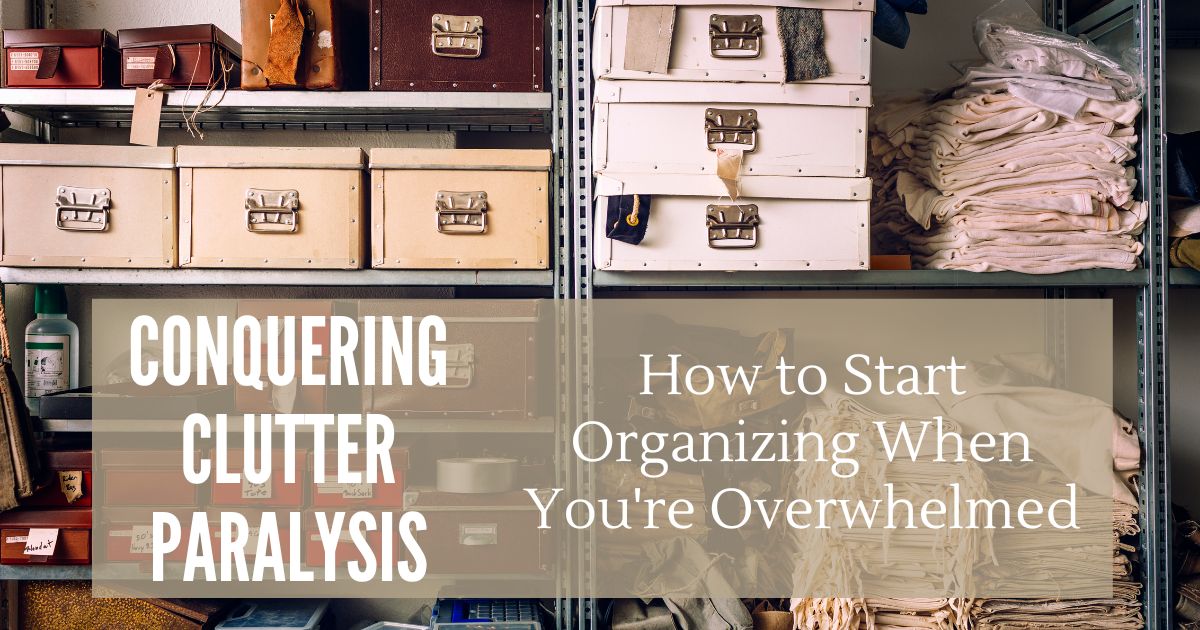
The process of grieving brings with it an emotional and mental load that can feel heavy enough. When you add the practical task of sorting through a lifetime of possessions, or even just gathering your own important documents for prearrangement, the feeling of being overwhelmed can become paralyzing. This feeling, sometimes called clutter paralysis, is real, and it often strikes when we are already at our most vulnerable.
Whether you are facing a loved one’s estate or simply preparing your own affairs for peace of mind, remember this: You do not have to conquer it all at once.
Here are gentle, achievable steps to help you move from paralysis to progress, respecting the emotional weight of the task.
The Power of the "Tiny Win"
When the scope of the task feels too big, shrink it dramatically. The goal right now is not a finished room; it is momentum.
- Set a Timer for 15 Minutes: Commit to sorting for just 15 minutes. When the timer goes off, you are done. You will be surprised by how much you can accomplish in that short window, and it proves to your mind that the task is manageable.
- The "One Drawer" Rule: Don't start with the attic or the whole office. Start with one drawer—perhaps the desk drawer where essential documents are supposed to be, or the small jewelry box of your loved one. Successfully finishing one small area provides a "win" that motivates you to tackle the next.
- Focus on the "Easy Stuff" First: If you are dealing with an estate, avoid highly sentimental items (like letters or family photos) in the beginning. Instead, start with things that have clear destinations: expired foods from the pantry, old magazines, or linens.
Embrace the "Three Box" Method
This simple physical structure gives immediate clarity and minimizes decision fatigue. Use any three containers (boxes, laundry baskets, or bags) and label them clearly:
- Trash / Recycle: For items that are clearly garbage, broken, or expired. This box offers immediate, tangible relief.
- Donate / Give Away: For items still in good condition that someone else could use. Giving an item a new purpose can be a source of comfort.
- Keep / Sentimental: For items you need to keep (like documents) or items you are not yet ready to part with. This box is the holding spot—it is okay to put tough decisions in here for later.
The Important Takeaway: When you touch an item, it must go into one of these three boxes. No hovering, no putting it back where it was.
Shifting Your Mindset (For Prearrangement and Estate Care)
If you are sorting a loved one's belongings:
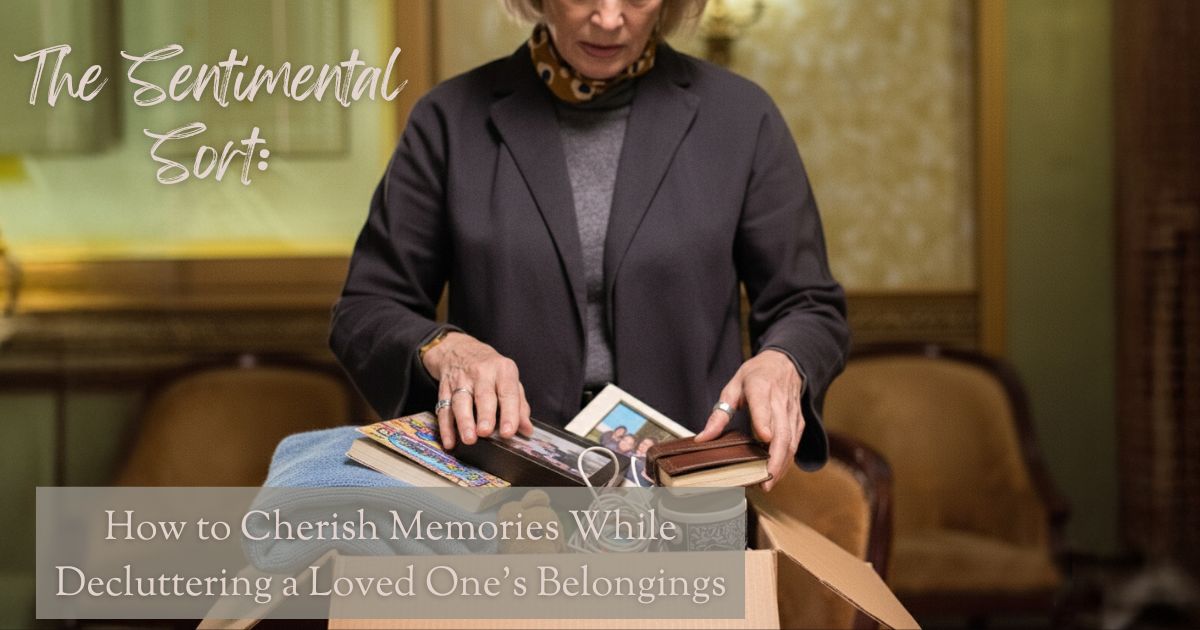
Don't think of this as "throwing away" their life. Reframe it as curating their legacy. You are carefully selecting the most important treasures to hold onto, and respectfully releasing the items they no longer need. Consider taking a photo of an item before you donate it—you keep the memory without keeping the physical object.
If you are preparing for prearrangement:
Focus on the immense gift you are giving to your family. By organizing the handful of key documents now (insurance policies, deeds, final wishes), you are protecting them from the immense stress of scrambling for information during their grief. This isn't just paperwork; it is a final act of love and care.
Know When to Ask for Support
You do not have to do this alone.
- Enlist a "Body Double": Ask a trusted friend or non-family member to simply sit with you while you work. Their presence provides support and gentle accountability, and they can offer an objective perspective on tough decisions.
- Lean on Professionals: Many of the tasks that cause paralysis—like locating a will, sorting legal documents, or planning a service—can be guided by professionals.
We understand that our service extends beyond the immediate ceremony. We are here to offer guidance not only on prearrangement and funeral services but also to connect you with resources that can help navigate the practical and emotional tasks that follow loss.
Please know that whatever phase of life or grief you are in, taking the first small step is a triumph. Be kind to yourself, and just focus on that one drawer, or that 15 minutes. Progress will follow.
HAVE QUESTIONS? WE ARE HERE TO HELP.
TRENDING BLOG POSTS & PODCASTS | BROWSE ALL
AFTERCARE ARTICLE & PODCAST