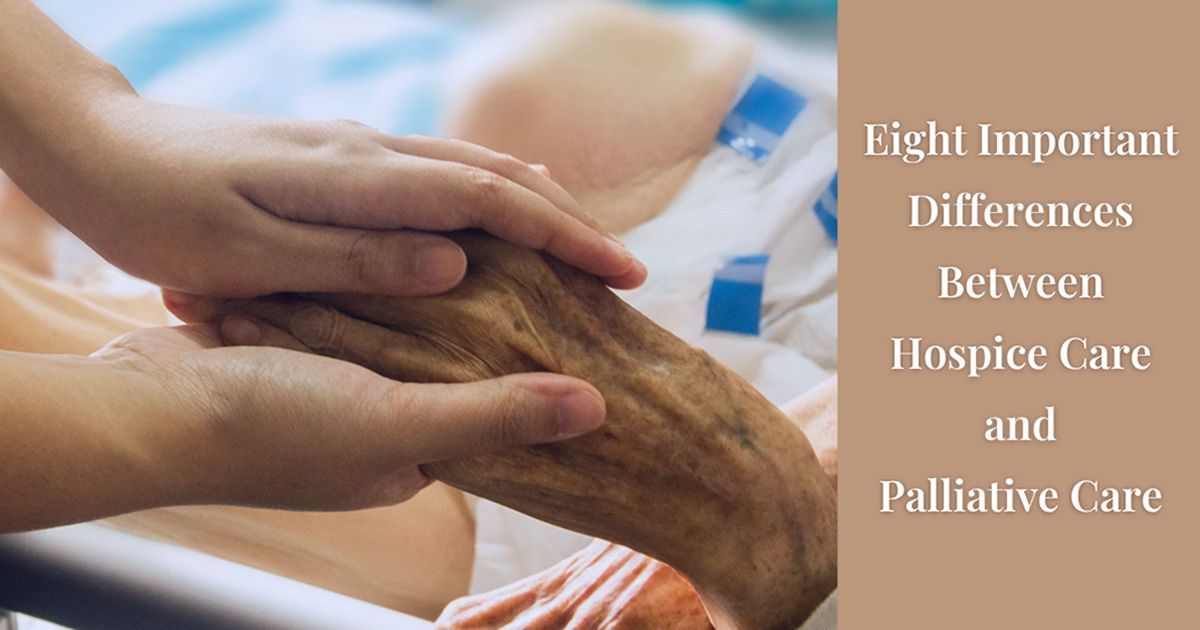
When a loved one is diagnosed with a serious or life-limiting illness, the path forward is often clouded by complex medical jargon and a flurry of urgent decisions. One of the most common sources of confusion for families is the distinction between palliative care and hospice care.
We break down the eight most important distinctions between these two types of care, offering clarity and guidance for families navigating this challenging time.
1. Timing of Initiation and Prognosis
Palliative care can begin at the moment of diagnosis for any serious illness (like cancer or heart failure). Hospice is reserved for when a physician certifies a life expectancy of six months or less.
2. Treatment of Approach
This is the biggest difference. In palliative care, you can still pursue curative treatments like chemotherapy or surgery. In hospice, curative treatments stop, and the focus shifts entirely to comfort and pain management.
3. Goals of Care
The goal of palliative care is to improve comfort and quality of life while also aiming for recovery or longevity. It's about helping the patient live better with a serious illness. The goal of hospice care is exclusively focused on comfort, dignity, and quality of life in the time remaining, accepting that the disease is terminal.
4. Duration of Care
Because palliative care begins earlier in the illness trajectory, its duration is unlimited. A patient might receive palliative care for months or even years. Hospice care, defined by the six-month prognosis, is limited by that certification. While care can be renewed if the patient continues to meet the criteria, it is designed for the final phase of life.
5. Financial Coverage
The way these services are covered can differ substantially. Palliative care is generally covered under standard medical benefits, like other specialist care, meaning you may have co-pays and deductibles. Hospice care, particularly under the Medicare Hospice Benefit (and most private insurance/Medicaid plans), covers nearly all services, medications, equipment, and supplies related to the terminal illness, resulting in little to no out-of-pocket cost for the family.
6. The Care Team Structure
Both services utilize an interdisciplinary team, but the required composition differs. A palliative care team is often a consulting service, typically including a physician and a nurse, sometimes with a social worker. A hospice care team is a fully structured and regulated team that must include physicians, registered nurses, social workers, spiritual counselors (chaplains), and Certified Home Health Aides (CHHAs) who provide hands-on personal care.
7. Location of Services
Palliative care is typically delivered in an outpatient clinic or a hospital setting as a specialist consultation. While it can be provided at home, this is less common. Hospice care is usually provided wherever the patient resides, which is most often the patient’s home or a loved one's home, ensuring continuity of environment. It can also be delivered in a nursing home or a dedicated hospice facility.
8. Support for the Family and Caregivers
While the palliative care team offers support, hospice care provides formal, structured respite care (time off for the primary caregiver) and guaranteed, ongoing bereavement support for the family for up to a year following the patient’s passing.
The most important step is to have an open, honest conversation with your loved one’s primary physician about their prognosis and the goals of care. If the doctor confirms that aggressive treatment is no longer effective and the focus is shifting to comfort, it is the appropriate time to explore hospice options. Both palliative and hospice care are expressions of love and respect, ensuring that the patient's remaining time is spent with comfort and dignity.