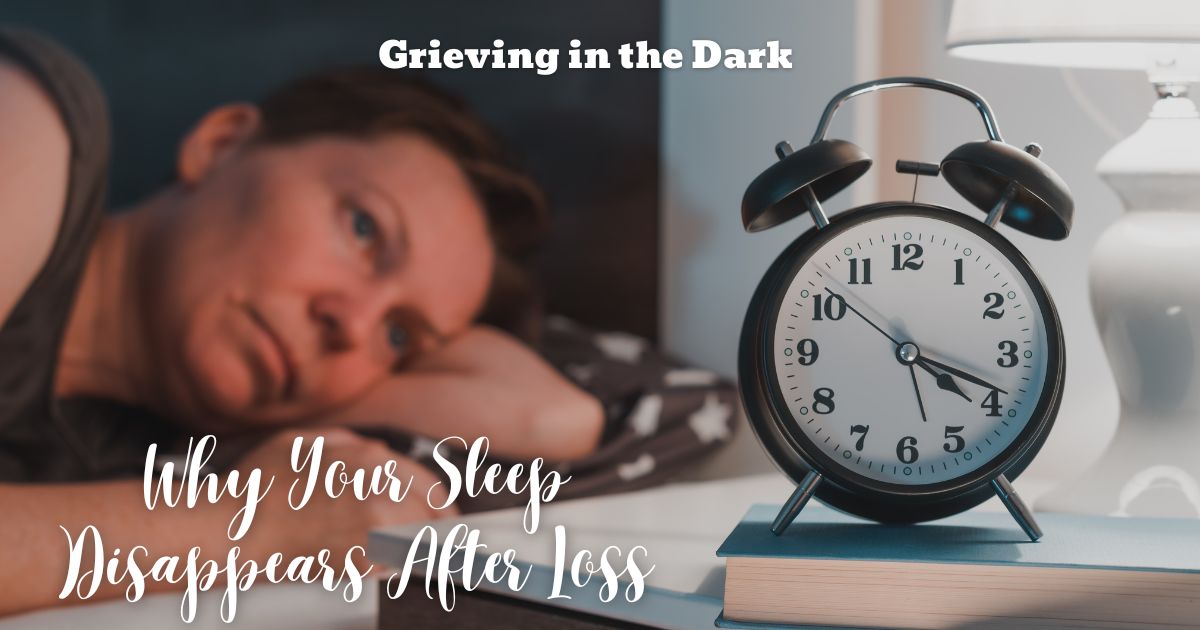
Loss can feel all-consuming, and in the quiet hours of the night, its weight can feel heaviest. Many grieving individuals and families find that the emotional and physical toll of grief extends into their sleep, creating a painful cycle of sleepless nights and exhausting days. If you're struggling to sleep while grieving, please know that you are not alone, and these challenges are a normal part of the process.
The link between grief and sleep is a two-way street. The stress of loss can trigger a cascade of physical and emotional reactions that directly impact your ability to rest. Your mind may be racing with intrusive thoughts, replaying memories, or grappling with "what if" scenarios. An overwhelming sense of anxiety, loneliness, or guilt can make it nearly impossible to relax. For those who shared a bed with their loved one, the emptiness of their side of the bed can be a constant, painful reminder of their absence.
At the same time, a lack of sleep can make the grieving process even more difficult. Poor sleep quality can exacerbate feelings of depression and anxiety, making it harder to cope with the emotional pain. It’s a vicious cycle where grief disrupts sleep, and the resulting exhaustion makes it harder to process your grief. Research even suggests that chronic sleep disruption in the bereaved can lead to a higher risk of developing a more complicated form of grief.
While it's important to be gentle with yourself, there are steps you can take to try and find some rest:
1. Create a Soothing Bedtime Routine: Signal to your body and mind that it's time to wind down. This can be as simple as taking a warm bath, reading a book, listening to calming music, or journaling your thoughts and feelings before bed. Avoid screens and bright lights in the hour before you want to sleep.
2. Practice Good Sleep Hygiene: Try to maintain a consistent sleep schedule, waking up and going to bed at roughly the same time each day, even on weekends. Make your bedroom a sanctuary for sleep—keep it cool, dark, and quiet.
3. Move Your Body: Gentle exercise during the day, like a short walk, can help reduce stress and improve the quality of your sleep. Avoid vigorous exercise too close to bedtime, as it can be stimulating.
4. Be Mindful of What You Consume: Limit or avoid caffeine and alcohol, especially in the afternoon and evening. While alcohol might initially make you feel sleepy, it can disrupt your sleep later in the night.
5. Seek Support: Don't hesitate to lean on friends, family, or a grief support group. Talking about your feelings can help ease the burden on your mind. If your sleep issues are persistent and significantly affecting your daily life, consider speaking with a doctor or a mental health professional who can offer additional guidance and support.
Remember, grief is a journey, not a destination, and it’s okay to not have all the answers or feel okay all the time. Be patient with yourself and honor your process. Getting rest is a crucial step in caring for yourself as you navigate this challenging time.
HAVE QUESTIONS? WE ARE HERE TO HELP.
TRENDING BLOG POSTS & PODCASTS | BROWSE ALL
.png)