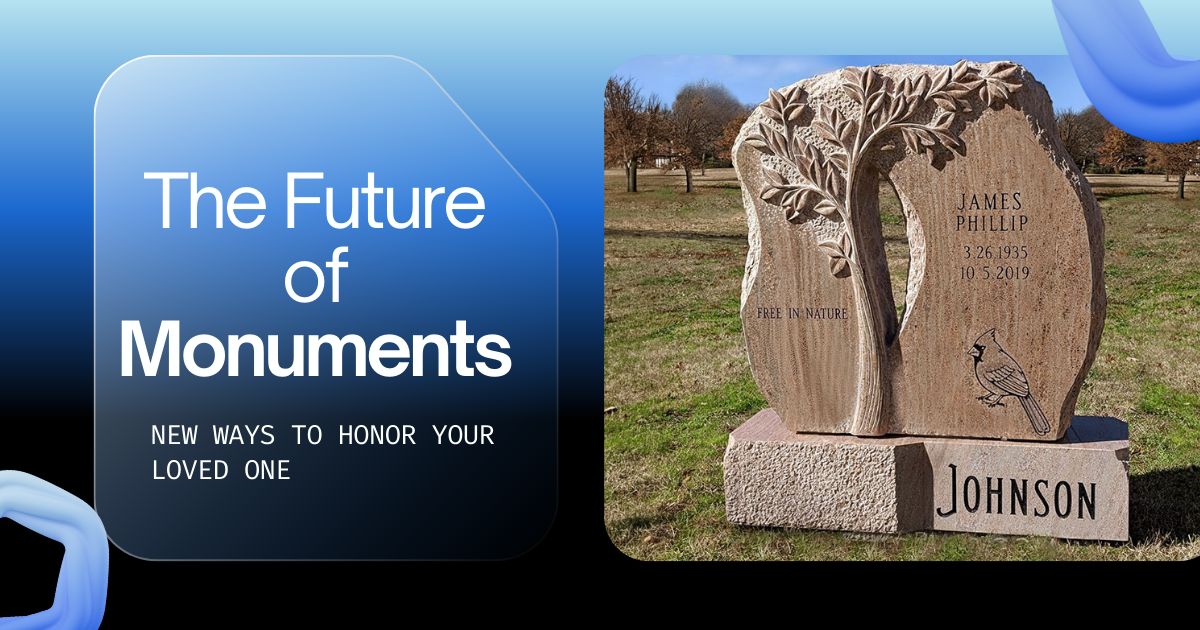
Deciding on your final resting place is a deeply personal choice, one that reflects your values, beliefs, and desires for how you wish to be remembered. While it can be an emotional and sometimes overwhelming process, understanding the factors involved can bring clarity and peace of mind.
Navigating the Options:
Many cemeteries offer distinct sections catering to specific religious denominations, military veterans, or families with long-standing plots. Consider whether being laid to rest alongside those who share your background or beliefs holds significance for you. Take a walk through the cemetery grounds, if possible, and envision the setting that brings you the most peace. Do you prefer a tranquil spot nestled among trees, a plot with a panoramic view, or perhaps an above-ground option like a mausoleum or cremation niche?
Think about your family and loved ones. If you're married or have a partner, consider side-by-side plots to ensure you remain together in your final resting place. Some cemeteries offer family sections with space for future generations, allowing your legacy to continue in a shared space. If loved ones need to visit your grave easily, consider the plot's proximity to walkways, benches, and parking areas. This is especially crucial for those with limited mobility.
Asking the Right Questions:
When visiting a cemetery, don't hesitate to ask questions. A compassionate and knowledgeable representative can provide valuable information and address your concerns. Here are some key questions to consider:
- Pricing and Terms: Inquire about the current cost of the plot and any associated fees, such as opening and closing costs or ongoing maintenance fees. Discuss payment plans or pre-need arrangements if needed.
- Availability: Confirm the availability of the plot and whether the cemetery has ample space to accommodate future family members if desired.
- Rules and Regulations: Understand any restrictions on headstone types, grave decorations, landscaping, or visiting hours. Knowing these guidelines beforehand can prevent future disappointment.
Additional Considerations:
Choose a cemetery that is conveniently located for your loved ones or holds personal significance for you. This might be a cemetery near your home, a place you cherished in life, or a location with historical or familial ties. Pay attention to the overall atmosphere of the cemetery. Does it feel peaceful, well-maintained, and respectful? Your intuitive sense of a place can be a powerful guide.
While some individuals prefer to purchase their plots in advance, often securing better pricing and eliminating future burdens on their families, others may choose to make these decisions at the time of need. Both approaches are valid and should be based on your individual circumstances and preferences.
Choosing your final resting place is a deeply personal decision shaped by your beliefs, values, and practical considerations. Be kind to yourself throughout this process, and don't hesitate to seek support from family, friends, or cemetery professionals. Many cemeteries offer pre-planning services with compassionate staff who can guide you through the options and help you make informed decisions.
By taking the time to explore your options, ask questions, and consider your preferences, you can create a lasting legacy that reflects your wishes and provides a peaceful and meaningful final resting place.