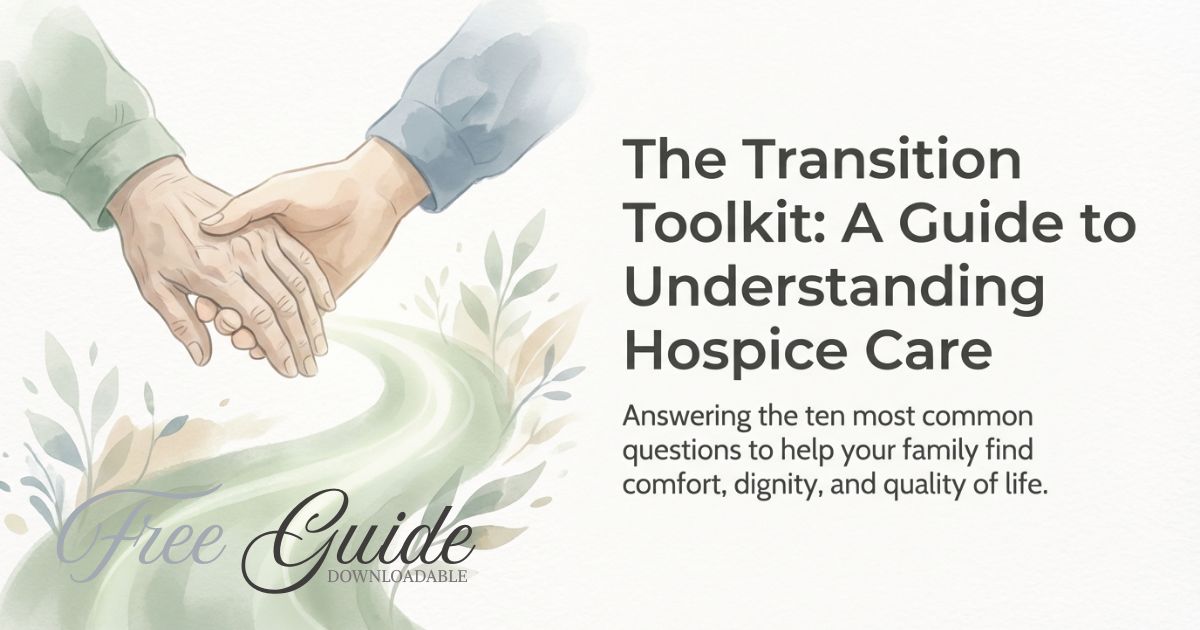

Choosing hospice care is one of the most significant and emotional decisions a family can make. It represents a profound shift in focus from "curing" an illness to "caring" for the person, prioritizing comfort, dignity, and quality of life.
To help families navigate this journey, here are the answers to the most common questions regarding this transition.
Hospice vs. Palliative Care: What’s the Difference?
While both focus on comfort, their timing and goals differ:
-
Palliative Care: A broad type of medical support for anyone living with a serious illness, regardless of life expectancy. You can receive this while still pursuing treatments meant to cure the disease.
-
Hospice Care: A specific type of palliative care for those in the final stages of a terminal illness. Choosing hospice means stopping curative treatments to focus entirely on symptom relief and emotional support.
Understanding Eligibility
Eligibility is based on a medical prognosis where two doctors certify a terminal illness with a life expectancy of six months or less. Hospice is not just for cancer; it is available for many conditions, including:
-
Advanced heart disease (CHF)
-
Dementia and Alzheimer’s
-
Lung disease (COPD)
-
Kidney or liver failure
-
Neurological diseases like Parkinson’s or ALS
One of the greatest myths is that hospice means "giving up." In reality, research shows that the intensive support provided by hospice can actually help people live longer by managing pain and reducing the stress of frequent emergency room visits.
What Services are Included?
The hospice benefit is comprehensive and covers everything related to the terminal illness. This includes:
-
The Care Team: Regular visits from nurses, aides, social workers, and chaplains.
-
Medical Equipment: Items like hospital beds, oxygen, and wheelchairs.
-
Supplies and Medications: Everything from bandages to drugs for pain and symptom management.
-
24/7 Support: Access to a nurse by phone at any time.
Hospice is a service, not a place; care is provided wherever the patient calls "home," whether that is a private house, assisted living, or a nursing home.
Cost and Support
For most people, hospice costs very little or nothing at all. Medicare and Medicaid typically cover 100% of the cost, including team visits, medications, and equipment. However, it generally does not cover "room and board" costs for nursing homes or assisted living facilities.
Support also extends to the family through caregiver training, respite care to give the family a break, and at least 13 months of bereavement support after a loved one passes.
HAVE QUESTIONS? WE ARE HERE TO HELP.
TRENDING BLOG POSTS & PODCASTS | BROWSE ALL